NEED SECURITY PATROLS? SPOT CHECKS + SWEEPS?PATROL SOLUTIONS


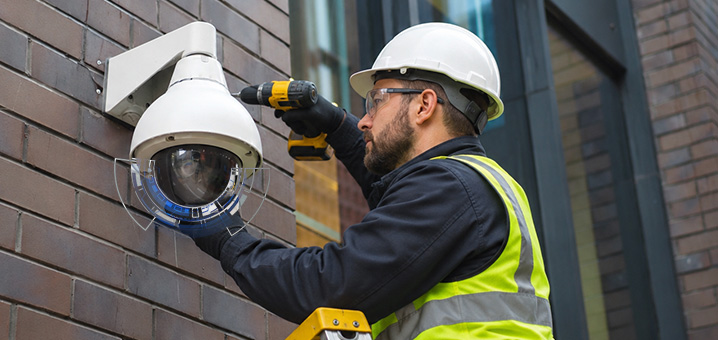
Do You Need a License to Install Security Cameras in Arizona?
Security cameras have become one of the most popular upgrades for Arizona homes and businesses. Whether you want to keep an eye on your front porch in Phoenix, protect inventory in a Tempe warehouse, or monitor a parking lot in Tucson, a good camera system gives you peace of mind around the clock.
But before you start mounting cameras or hire someone to do it, there is an important question to answer: does the installation require a license in Arizona?
The answer depends on who is doing the work, how much the job costs, and what kind of system is being installed. A homeowner sticking a wireless camera above the garage is in a very different position from a company running cable through a commercial building. In this guide, we break down Arizona’s licensing rules for security camera installation, explain when you need a professional, and show you how to choose a licensed installer you can trust.
Is a License Required to Install Security Cameras in Arizona?
In most cases, yes. If someone is installing security cameras for pay and the job’s labor and materials total $1,000 or more, or the work requires a building permit, Arizona law requires that person or company to hold a contractor license from the Arizona Registrar of Contractors (ROC). Security camera systems fall under the ROC’s low-voltage communication systems classifications.
There are a few exceptions. Homeowners can generally install cameras on their own property without a license, simple plug-in or battery-powered wireless cameras usually require no licensed work at all, and very small, minor jobs may qualify for Arizona’s handyman exemption. Once a project involves professional wiring, multiple cameras, or a commercial property, a licensed contractor is almost always required.
Arizona Security Camera Installation Licensing Requirements
Arizona regulates contractors at the state level, so the rules below apply whether you are in Phoenix, Scottsdale, Mesa, Tucson, or anywhere else in the state. Here is how the requirements break down.
Arizona Contractor License Requirements
The Arizona Registrar of Contractors licenses anyone who acts as a contractor in the state, and that includes companies and technicians who install security camera systems. Under Arizona’s general rule, a license is required when the total value of a job (labor plus materials) is $1,000 or more, or when the work requires a building permit, no matter how small the job is.
Arizona’s only real carve-out for small jobs is the handyman exemption. It applies when the work is casual or minor in nature, the total cost is under $1,000, and no permit is required. A few important points about this exemption:
- A job cannot be split into several smaller invoices to stay under the $1,000 limit. The total value of the project is what counts.
- Anyone working under the exemption must include the words “not a licensed contractor” in their advertising.
- The exemption does not apply to work that is part of a larger project.
To get licensed, a contractor business must name a qualifying party who has the required industry experience, pass the ROC trade exam for the relevant classification along with the Statutes and Rules (business management) exam, post a contractor bond, and register the business with the state.
Low-Voltage Installation Licensing
Most security camera systems run on low-voltage power, such as Power over Ethernet (PoE) cabling that carries both power and data to each camera. In Arizona, this kind of work falls under the Low Voltage Communication Systems license classifications:
- R-67 for residential low-voltage work
- C-67 for commercial low-voltage work
- CR-67 for both residential and commercial work
These classifications cover the installation of systems such as data, voice, video, and security, which includes CCTV and IP camera systems. Notably, Arizona treats low-voltage work as its own specialty. A low-voltage license is different from a standard electrical contractor license (R-11, C-11, or CR-11), which covers line-voltage electrical work like adding new 120V circuits or outlets.
Technicians who install and service security and alarm systems may also need alarm agent certification through the Arizona Department of Public Safety, depending on the type of system and work involved.
Residential vs. Commercial Camera Installation
Arizona separates contractor licenses into residential, commercial, and dual classifications, so the type of property matters.
Residential installations cover homes, condos, and other dwellings. A contractor doing this work needs a residential classification such as R-67 or the dual CR-67. One big advantage for homeowners: when you hire a licensed residential contractor, you may be eligible for protection through Arizona’s Residential Contractors’ Recovery Fund if the contractor fails to complete the job or does poor work. That protection is not available if you hire an unlicensed installer.
Commercial installations cover offices, retail stores, warehouses, restaurants, apartment complexes, and other business properties. These projects require a commercial classification such as C-67 or CR-67. Commercial systems are usually larger and more complex, often involve permits and inspections, and may need to integrate with access control, alarm systems, or existing IT networks.
When Do You Need a Professional Security Camera Installer?
Not every camera needs a professional. A battery-powered or plug-in Wi-Fi camera that mounts with a few screws is a simple DIY project for most homeowners. But once your project moves beyond basic plug-and-play devices, hiring a licensed professional saves time, prevents costly mistakes, and keeps you compliant with Arizona law.
Installing Wired Security Camera Systems
Wired camera systems, especially PoE systems connected to a network video recorder (NVR), offer more reliable footage, better video quality, and no batteries to replace. They also take more skill to install. Cables have to be routed through walls, ceilings, and attics, and cameras must be positioned for the best coverage without blind spots.
In Arizona, this work comes with its own challenges. Attics can become dangerously hot in the summer, stucco and block exteriors are difficult to drill through cleanly, and outdoor connections must be sealed against monsoon rain, dust, and intense UV exposure. A professional installer knows how to handle these conditions so the system keeps working for years.
Running Cables and Electrical Connections
Running low-voltage cable for cameras is regulated work in Arizona when it is done for pay, which is why it falls under the R-67, C-67, and CR-67 classifications. If your system also needs new power outlets, dedicated circuits, or other line-voltage electrical work, that portion of the job must be handled by a licensed electrical contractor.
Doing electrical work incorrectly can create fire hazards, damage equipment, and cause problems with inspections, insurance claims, or a future home sale. A licensed installer will know when a permit is required and make sure every connection meets code.
Installing Commercial Surveillance Systems
Commercial surveillance is where professional installation matters most. Business systems often include a large number of cameras, long cable runs, centralized recording, remote viewing, and integration with alarms or access control. They also need to be planned around the specific risks of the business, such as entrances, cash registers, loading docks, and parking areas.
Because commercial projects almost always exceed the $1,000 threshold and frequently require permits, Arizona law requires a properly licensed contractor. If you are planning a system for your business, learn more about our business security camera installation services.
What Happens If You Install Security Cameras Without a Required License?
Arizona takes unlicensed contracting seriously. Acting as a contractor without a required license is a Class 1 misdemeanor under Arizona law, with fines that start at $1,000 for a first offense and increase for repeat offenses. Advertising contracting services without a license is also a misdemeanor. On top of the criminal penalties, an unlicensed contractor generally cannot take a customer to court in Arizona to collect payment for the work.
The risks are not limited to the installer. Property owners who hire unlicensed installers may face:
- No recovery fund protection: Homeowners lose access to the Residential Contractors’ Recovery Fund if the job goes wrong.
- Poor-quality work: Improper wiring, badly placed cameras, and weak weatherproofing can lead to system failures right when you need footage the most.
- Insurance and liability problems: If an uninsured installer is injured on your property or causes damage, you could be left dealing with the cost.
- Permit and inspection issues: Work that required a permit but did not get one can cause problems with inspections, insurance claims, or selling the property later.
- In short, saving a little money by hiring an unlicensed installer can end up costing far more in the long run.
How to Choose a Licensed Security Camera Installation Company in Arizona
The right installer protects your property, follows the law, and designs a system that fits your needs. Here is what to look for before you sign a contract.
Verify Contractor Credentials
Always check a contractor’s license before hiring them. You can look up any Arizona contractor using the license search on the Arizona Registrar of Contractors website at roc.az.gov or by calling the ROC at 1-877-692-9762. When you check, confirm that:
- The license is active and in the company’s name.
- The license classification matches the work, such as R-67 for residential, C-67 for commercial, or CR-67 for both.
- The company does not have a history of unresolved complaints or disciplinary action.
- A reputable installer will gladly share their ROC license number. If a company hesitates or avoids the question, consider that a red flag.
Check Experience and Insurance
A license shows a company meets the state’s minimum requirements, but experience shows they can deliver. Ask how long they have been installing security cameras, whether they have worked on properties similar to yours, and whether they can share references or examples of past projects.
You should also confirm the company carries general liability insurance and workers’ compensation coverage for its employees. Finally, ask for a detailed written estimate that lists the equipment, number of cameras, labor, and any warranty on both the products and the installation.
Final Thoughts
So, do you need a license to install security cameras in Arizona? If you are a homeowner putting up a few wireless cameras on your own property, usually not. But if you are hiring someone, or if the job involves wired systems, cable runs, electrical work, or a commercial property, Arizona law generally requires a licensed contractor with the right low-voltage classification.
Working with a licensed, insured, and experienced installer is the best way to make sure your system is installed safely, meets code, and protects what matters most. If you are ready to secure your home or business, contact Deetur to discuss a professional security camera installation that fits your property and budget.
This article is for general information only and is not legal advice. Licensing rules can change, so check with the Arizona Registrar of Contractors for the latest requirements.